From First Sign to Flowing Drain: A Jundiaí Procedure for a Blocked Drain
From First Sign to Flowing Drain: A Jundiaí Procedure for a Blocked Drain
When water starts rising in the wrong place, the first move is not to call anyone. It is to stop the water and protect the floor. Turn off the nearest supply valve, stop using sinks, showers, and washing machines, and lay down old towels or a bucket to contain the spread. This article gives you a calm, numbered procedure to follow in order, from that first minute to a drain that flows again, and it explains when a professional desentupidora em Jundiaí SP becomes the right next step.
Phase 1: Stop the Water and Protect the Property
Success in this phase looks simple: no new water enters the drain, and the floor stays dry around the affected area. Do these steps before you investigate anything else.
- Close the supply valve for the fixture that is backing up. Under sinks it is usually a small valve on the wall; for a toilet, use the valve behind the bowl.
- Stop using every fixture connected to the same drain line. In apartments, that often means the kitchen and laundry too, not just the bathroom.
- Place towels, a bucket, or a plastic sheet around the drain or floor drain to catch overflow.
- If water is near electrical outlets or appliances, switch off the circuit at the breaker panel before you touch anything wet.
- Keep children and pets out of the affected room until the floor is dry.
This is also the moment to note what you see: is the water clear, gray, or dark with bits of food or paper? That detail will matter later. A slow drain that gurgles is different from a drain that returns water immediately, and the difference changes what you try next.
Phase 2: Identify the Type of Blockage Before You Touch Anything
Not every blockage is the same, and the right tool depends on where the problem sits. A local clog in one fixture behaves differently from a blockage in the main line that serves the whole property.
Signs of a Local Clog
- Only one sink, shower, or toilet is affected.
- Water drains slowly but does not come back up.
- Other fixtures in the home work normally.
Signs of a Main Line Problem
- Several fixtures back up at the same time.
- Water rises in the floor drain when you use the washing machine.
- There is a gurgling sound from other drains, or a bad smell in more than one room.
If you see the second set of signs, stop here. A main line blockage is rarely solved with a plunger, and pushing harder can force wastewater into other parts of the property. This is the point where a desentupidora Jundiaí team with proper equipment saves you time and damage.
Phase 3: Try the Safe Manual Methods in Order
For a single slow fixture, manual methods are worth a careful attempt. Work from gentlest to strongest, and stop if water starts to rise instead of fall.
- Boiling water works for grease and soap residue in kitchen sinks. Pour it slowly in two or three parts, waiting between each.
- A plunger is the right tool for a toilet or a sink with a flat seal. Press down firmly and pull up sharply several times, keeping the seal.
- A drain snake (manual auger) reaches hair and soap buildup a short distance into the pipe. Feed it slowly and pull back gently.
- Baking soda and vinegar can loosen light organic film, but it will not clear a solid blockage.
What success looks like: water drains in a steady swirl within a minute or two, and other fixtures stay unaffected. If nothing changes after two honest attempts, the blockage is deeper than a manual tool can reach, and continuing risks damaging the trap or the pipe joints.
Phase 4: Know When to Call a Professional Service
Some situations are not a DIY job, and recognizing them early protects your home and your budget. Call a professional when any of the following is true.
- Wastewater is coming back up in more than one fixture.
- There is a strong sewage smell indoors or in the yard.
- You have already tried a plunger and a snake without result.
- The property has a septic tank and the whole system is slow.
- You rent the property and the lease requires professional maintenance.
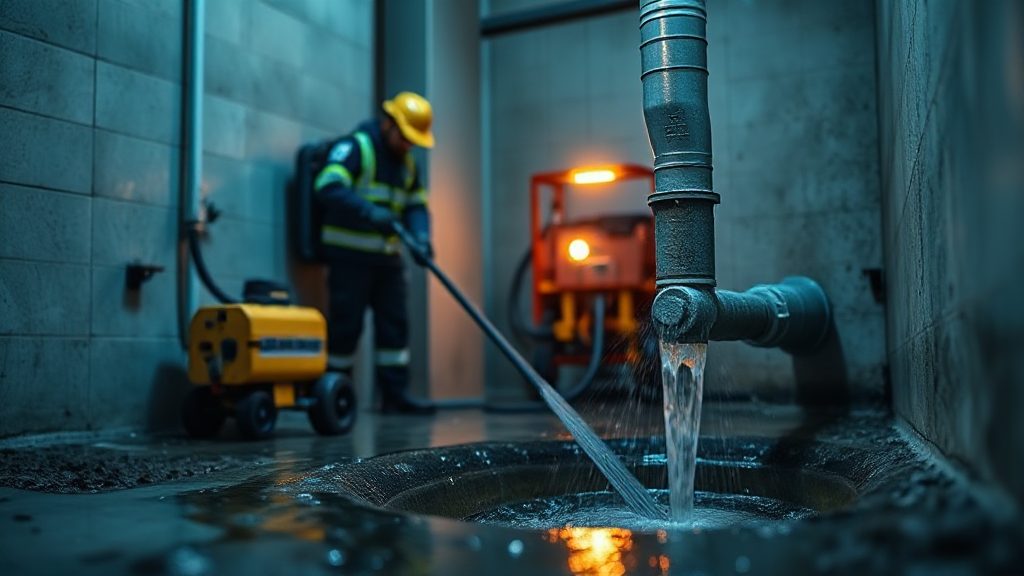
A professional team arrives with the right tools for each case: a rotating cable for solid clogs, high-pressure water jetting for grease and roots, and vacuum equipment for holding tanks. That matters because the wrong tool can crack an older pipe. For residents and building managers in the region, a desentupidora Jundiaí SP service can assess the line and clear it without guesswork, and many offer emergency response outside business hours.
Before the technician starts, ask three questions: what caused the blockage, which part of the line is affected, and what you can do to prevent a repeat. A good answer includes a look at the pipe, not just a promise that it is fixed.
Phase 5: Understand the Methods and What They Cost
Knowing the main methods helps you follow the technician’s explanation and compare quotes fairly. Costs vary with access, pipe length, and time of day, so treat any price as a range rather than a fixed number.
| Method | Best for | What to expect |
|---|---|---|
| Manual snake or auger | Hair, paper, light clogs near the fixture | Quick, low cost, limited reach |
| Rotating cable machine | Solid clogs and grease in branch lines | Moderate cost, works through bends |
| High-pressure water jetting | Grease, scale, roots in main lines | Higher cost, cleans the pipe wall |
| Septic tank pumping | Full or slow septic systems | Priced by volume and access |
Emergency calls at night or on weekends usually carry a higher rate, and access matters: a drain under a finished floor costs more to reach than one in a utility area. Ask for the price before work begins and confirm whether the quote includes inspection and cleanup.
Phase 6: Prevent the Next Blockage and Confirm the Fix
A cleared drain is not the end of the job. The final phase is about confirming the result and lowering the chance of a repeat.
- Run hot water through each affected fixture for a few minutes and watch for slow drainage or gurgling.
- Check the floor drain and any outdoor cleanout for signs of backup after a full load of laundry.
- Keep grease, coffee grounds, wipes, and hair out of drains; use a strainer in sinks and showers.
- Schedule a preventive check once a year, especially in older buildings or homes with trees near the line.
- Keep the service contact and the date of the work on hand for your records or for the building manager.
What success looks like: every fixture drains at normal speed, there is no smell, and no water returns when several fixtures run at once. If anything is still slow, report it before the technician leaves; a second look is far cheaper than a second emergency call.
The whole procedure is calm and ordered: stop the water, protect the floor, identify the type of blockage, try safe manual methods, call a professional when the signs point to the main line, understand the method and cost, then confirm and prevent. Followed in that order, a blocked drain in Jundiaí stops being a crisis and becomes a problem you can manage from the first minute to the last.